User(College staff) buying Vending machine

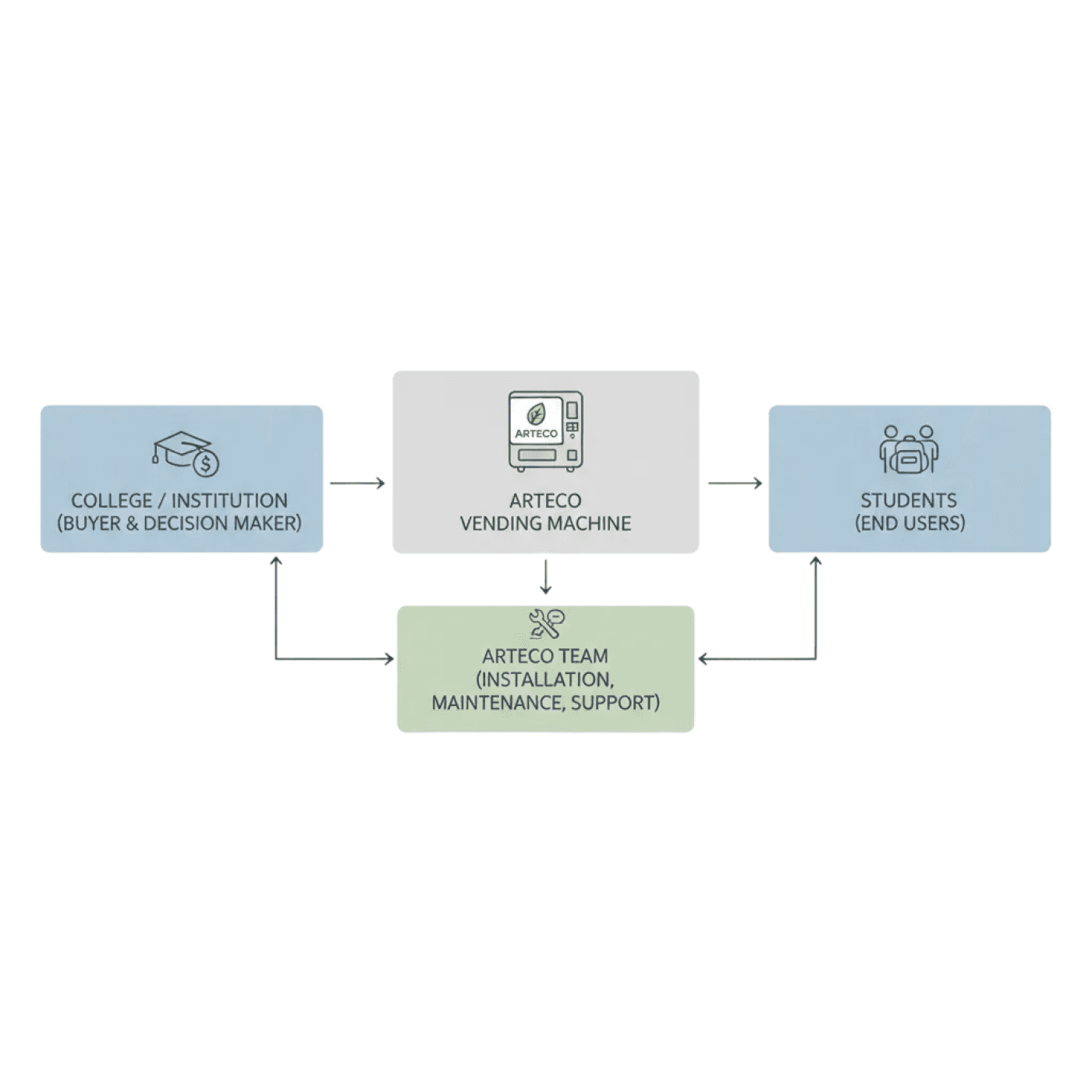
Context & Stakeholders
Arteco’s vending machine is a high-cost physical B2B product (~₹1.2L) designed for colleges.
The buyer is the institution, while the end users are students.
This creates a split decision-making model where trust, long-term outcomes, and operational fit matter more than conversion.
Why This Page Had to Exist
The founder’s brief was simple:
“We have this product. We need to tell colleges it exists, and they should be able to call us if interested.”
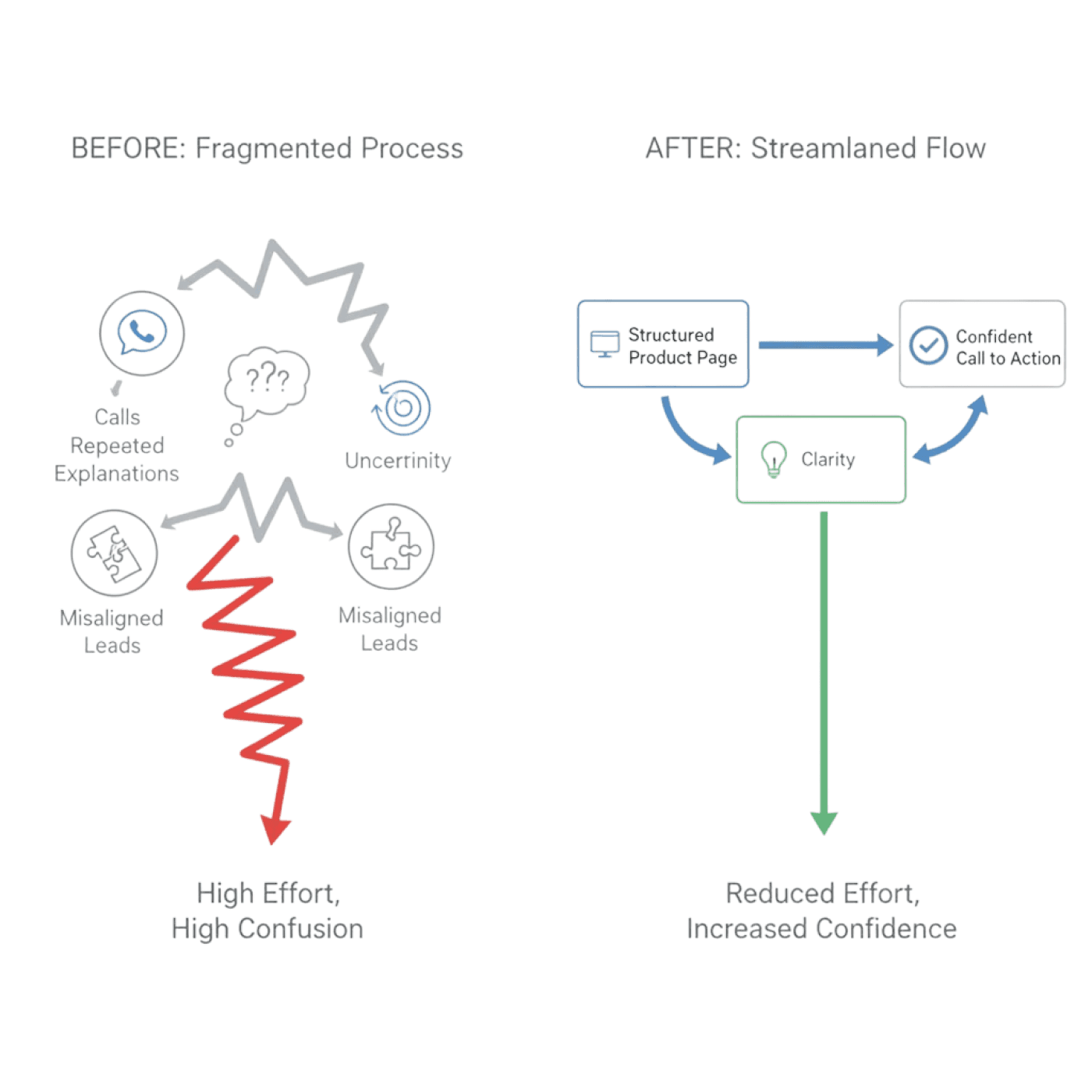
I identified that most decision friction could be removed before any call happens.
This page exists to help institutions self-evaluate fit, set expectations clearly, and ensure that conversations happen only when intent is high..
Design Principle (Anchor Section)
Design Principle
Help institutions clearly decide if this is the right product and make purchasing effortless if it is.
Core Tension
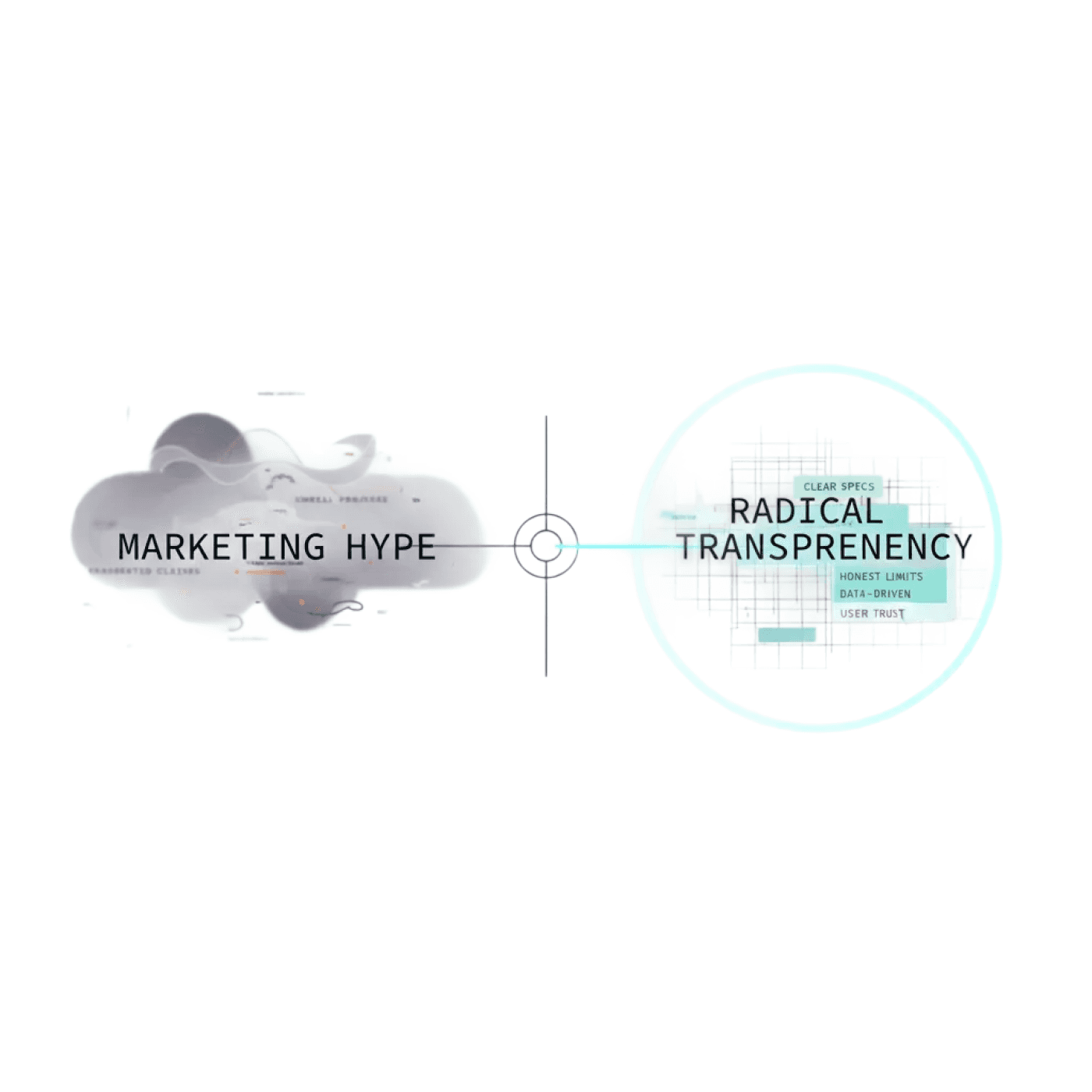
This was a first of its kind product with no brand equity and no market precedent.
The challenge was building trust without hype, for a high cost, long term commitment.
Transparency and expectation setting were the only viable tools.
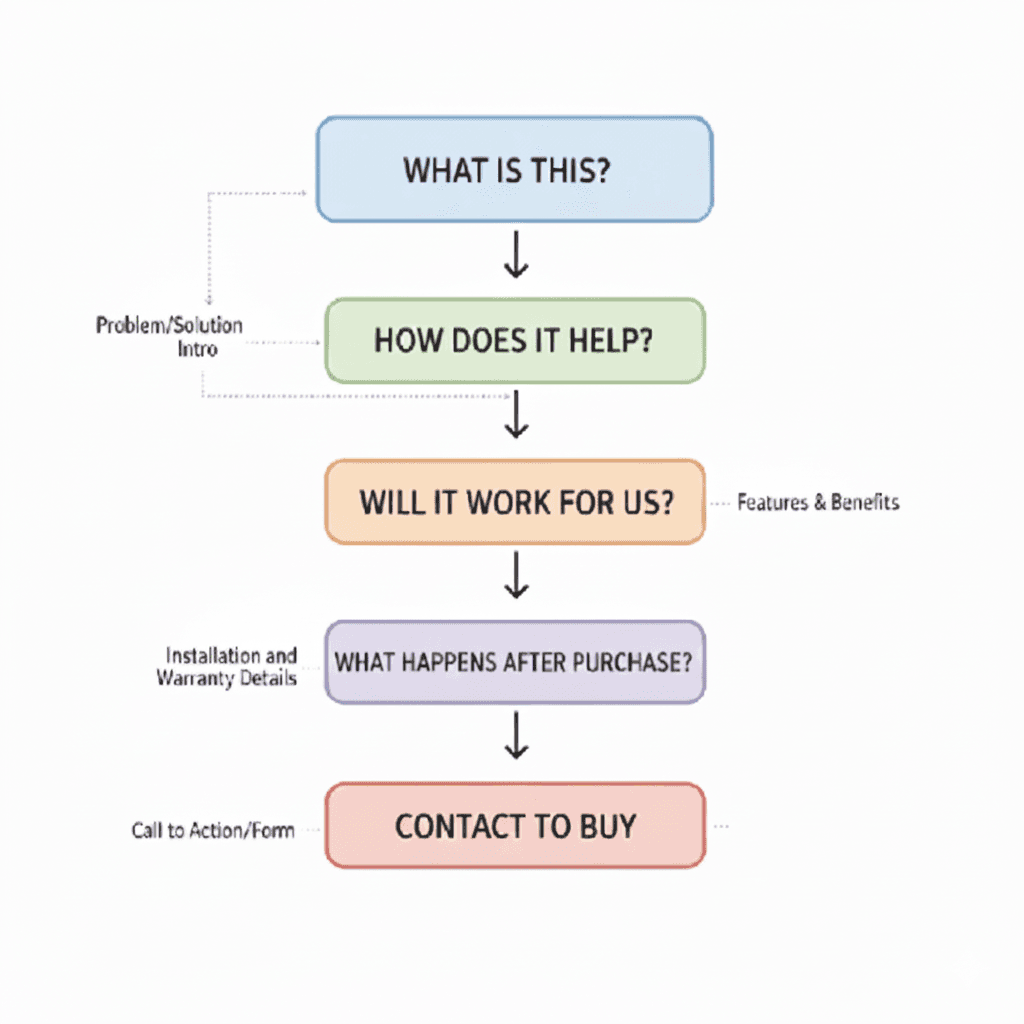
Page Structure as a Guided Sales Conversation
I structured the page like a guided sales conversation, progressively reducing uncertainty at each step.
What I Intentionally Avoided
No comparison table: There were no true competitors in this specific category.
No testimonials: Outcomes require real academic usage over time.
No discounts or urgency: This is not an impulse purchase.
No marketing-heavy language: Trust mattered more than persuasion.
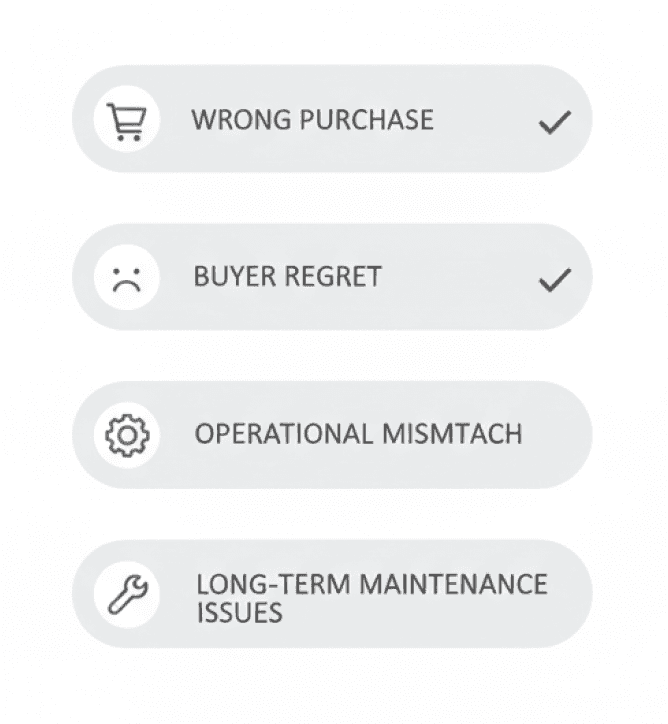
Risks I Designed Against
Every section of this page was designed to eliminate one or more of these risks.
How I Defined Success
This page succeeds only if inbound calls are about placing an order, not understanding the product.
If conversations start with alignment instead of explanation, the page has done its job.
Thinking Ahead: Scaling
If Arteco scales, this page would evolve to support multiple models, comparisons, availability signals, advanced features,and differentiated warranties - without changing the core decision logic.
View other Case studies
Products I’ve Helped Build
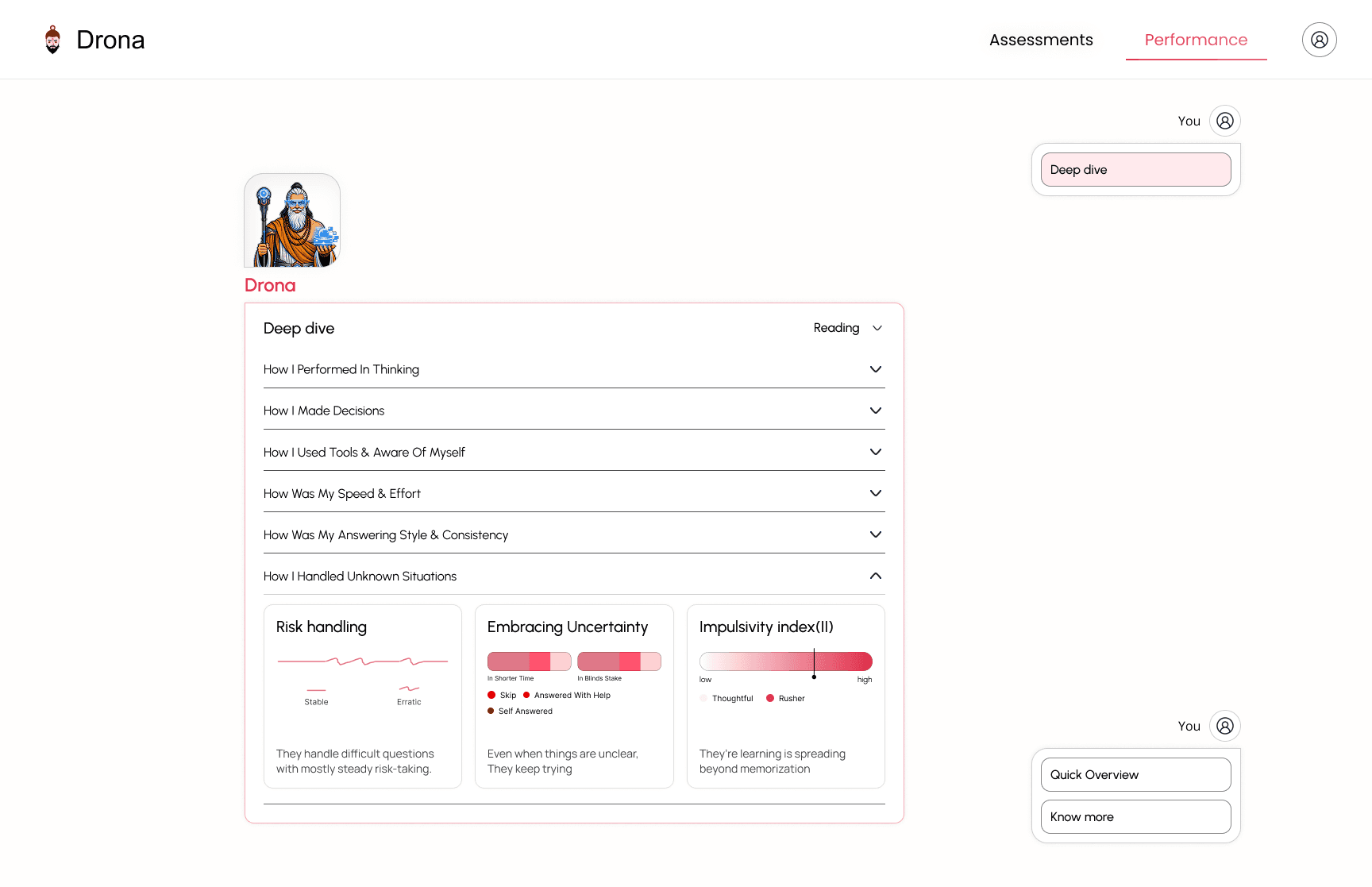
Altumind
Helping teachers measure critical thinking instead of memorization.
Multi-role workflow · AI Chat Experience · Analytics Dashboard
Edtech
0→1 Product
Used by 10+ Institutions
View case study
Trashandler
Digitizing India's informal scrap marketplace.
Multi-role Marketplace · Pickup Scheduling · Logistics Workflow
Logistics, Marketplace
0→1
B2b 100+ Vendors & B2c 10K+ Users
View case study